
Research
My research examines how service dog partnerships contribute to human and animal health, functioning, and wellness: evaluating real-world benefits and challenges, identifying factors that lead to strong and sustainable partnerships, and informing evidence-based practices for service dog programs.
View Google Scholar profile →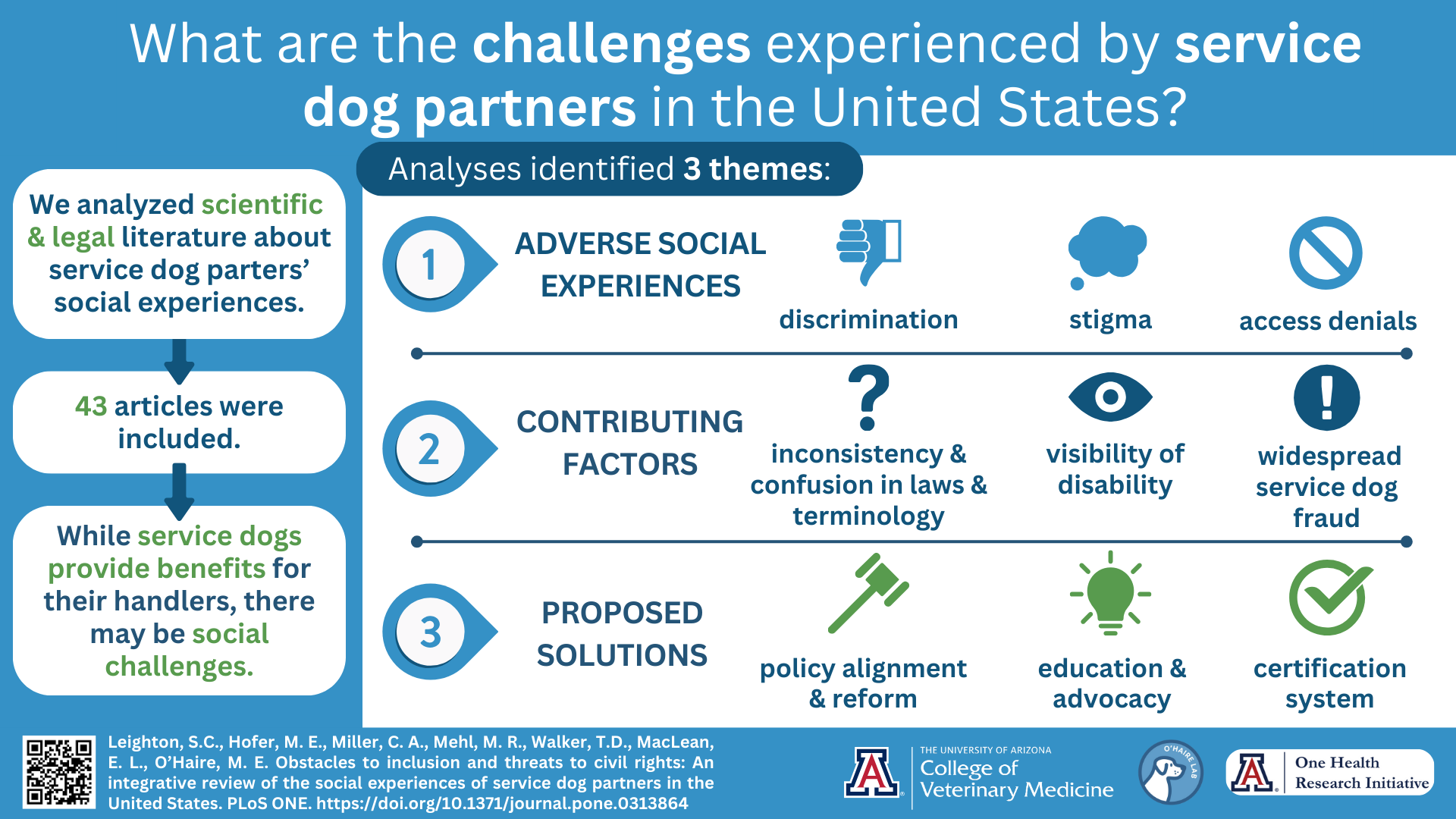
Many service dog teams face stigma, discrimination, and access denials.
Social experiences of service dog partners — PLoS ONE
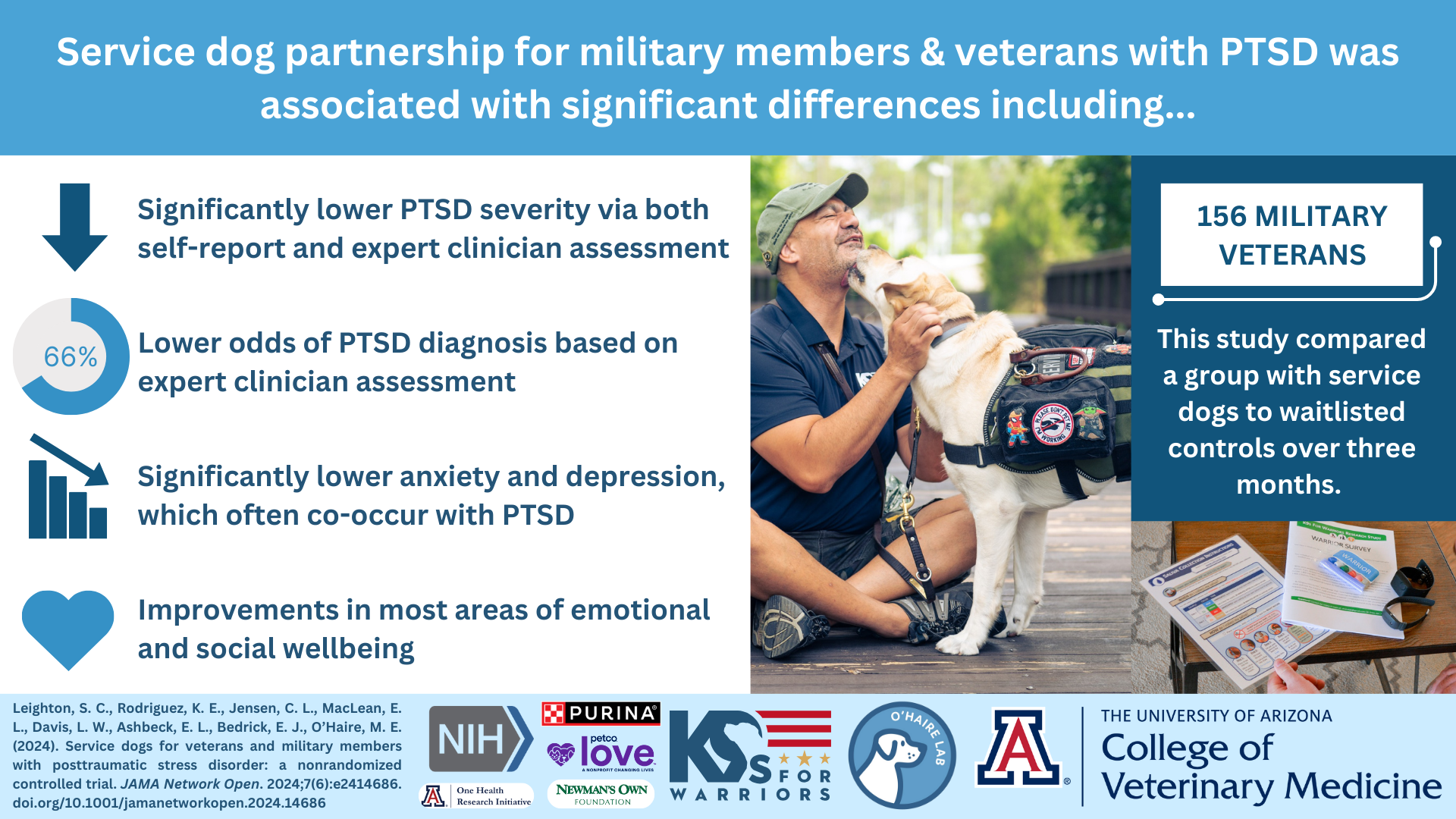
66% lower odds of clinician PTSD diagnosis in the service dog group.
Service dogs for veterans and service members with PTSD — JAMA Network Open
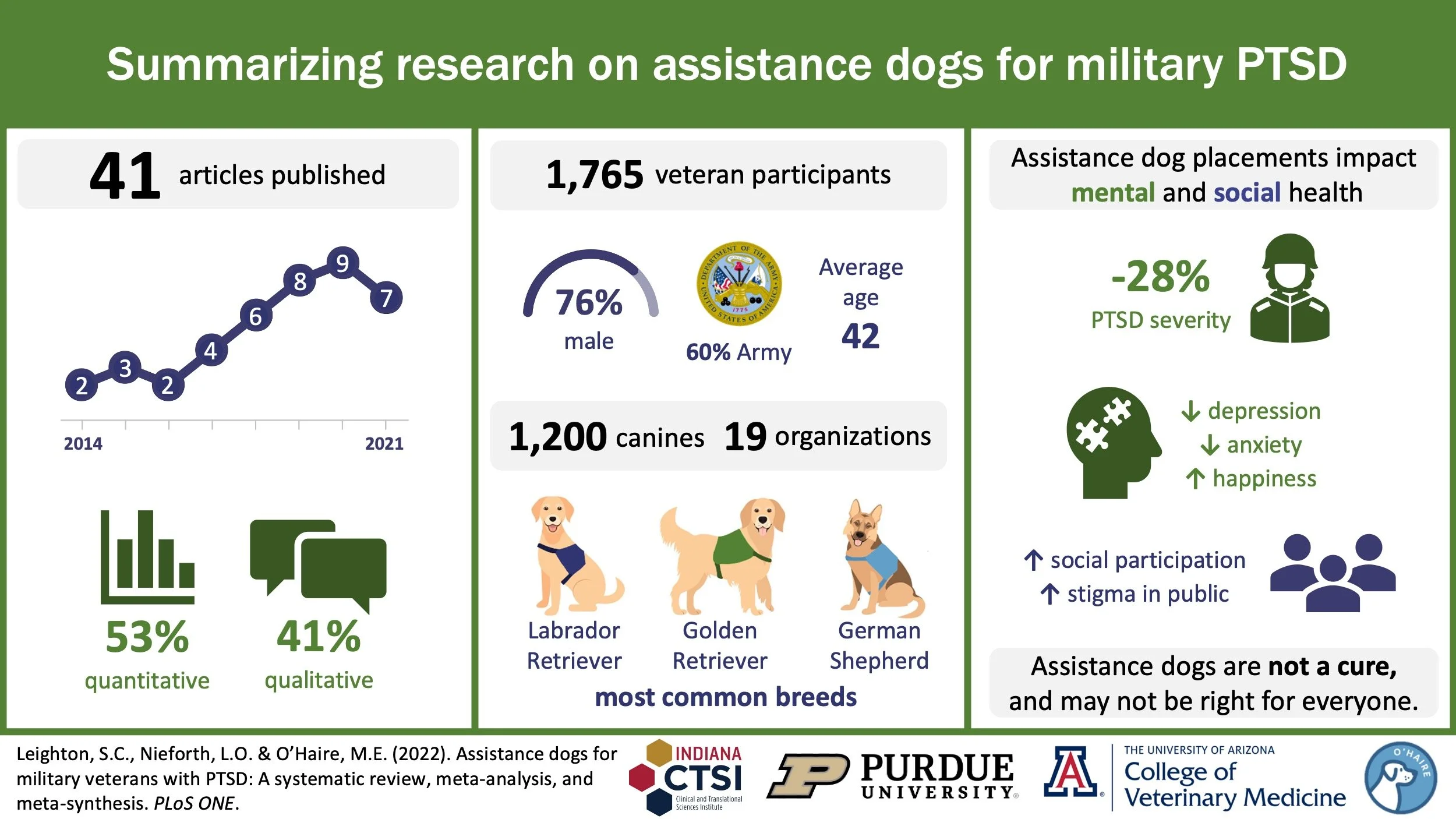
Large, clinically meaningful improvement in PTSD symptoms across 41 studies, 1,765 veterans, and 1,200 canines.
Review and meta-analysis: service dogs for veterans with PTSD — PLoS ONE
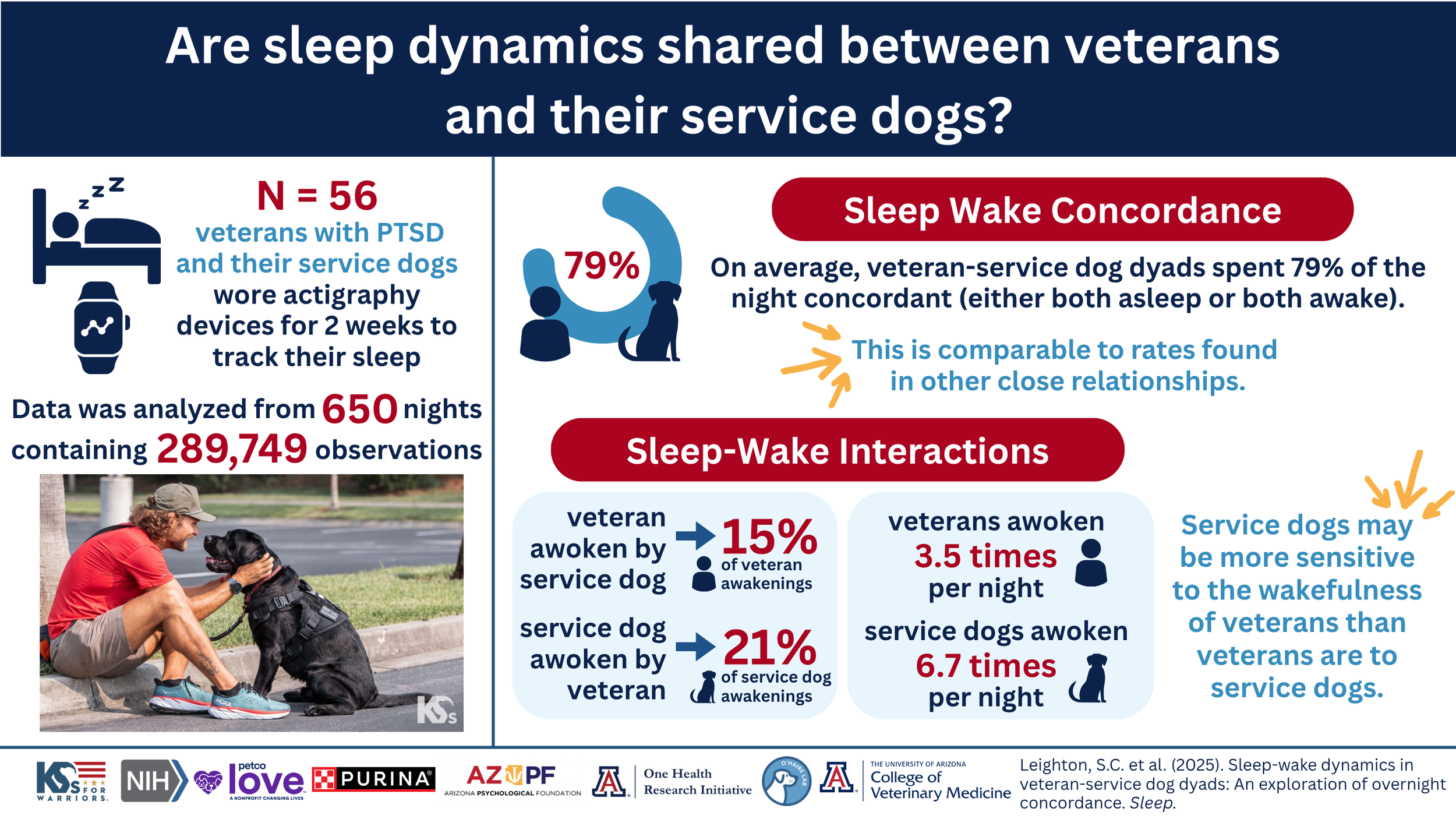
Veteran-service dog dyads spent 79% of the night concordant across 650 nights.
Overnight sleep-wake dynamics in veteran-service dog dyads — Sleep
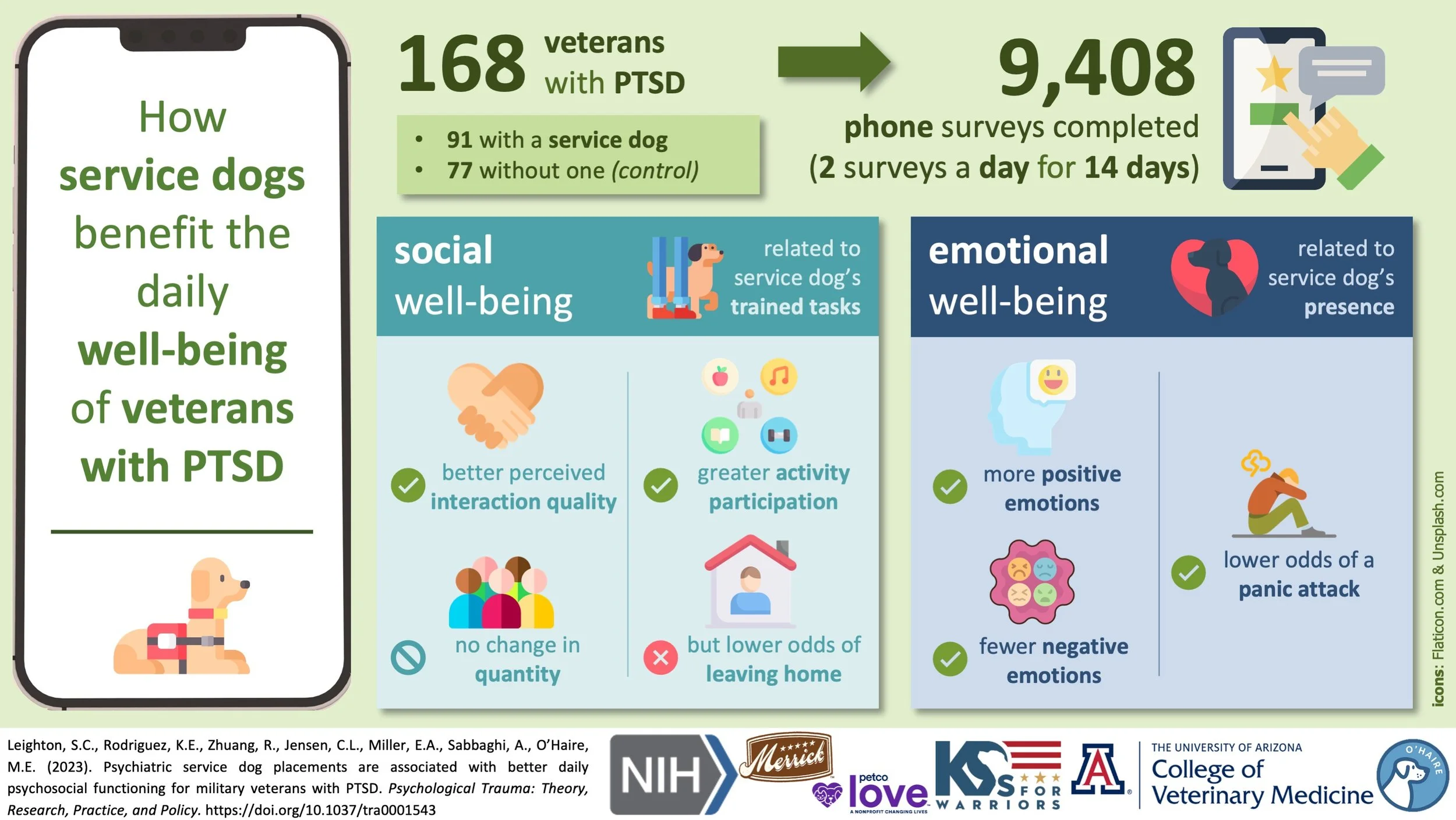
Better social interaction quality and fewer negative emotions across 9,400+ daily surveys.
Momentary experiences of veterans with service dogs for PTSD — Psychological Trauma: Theory, Research, Practice, and Policy
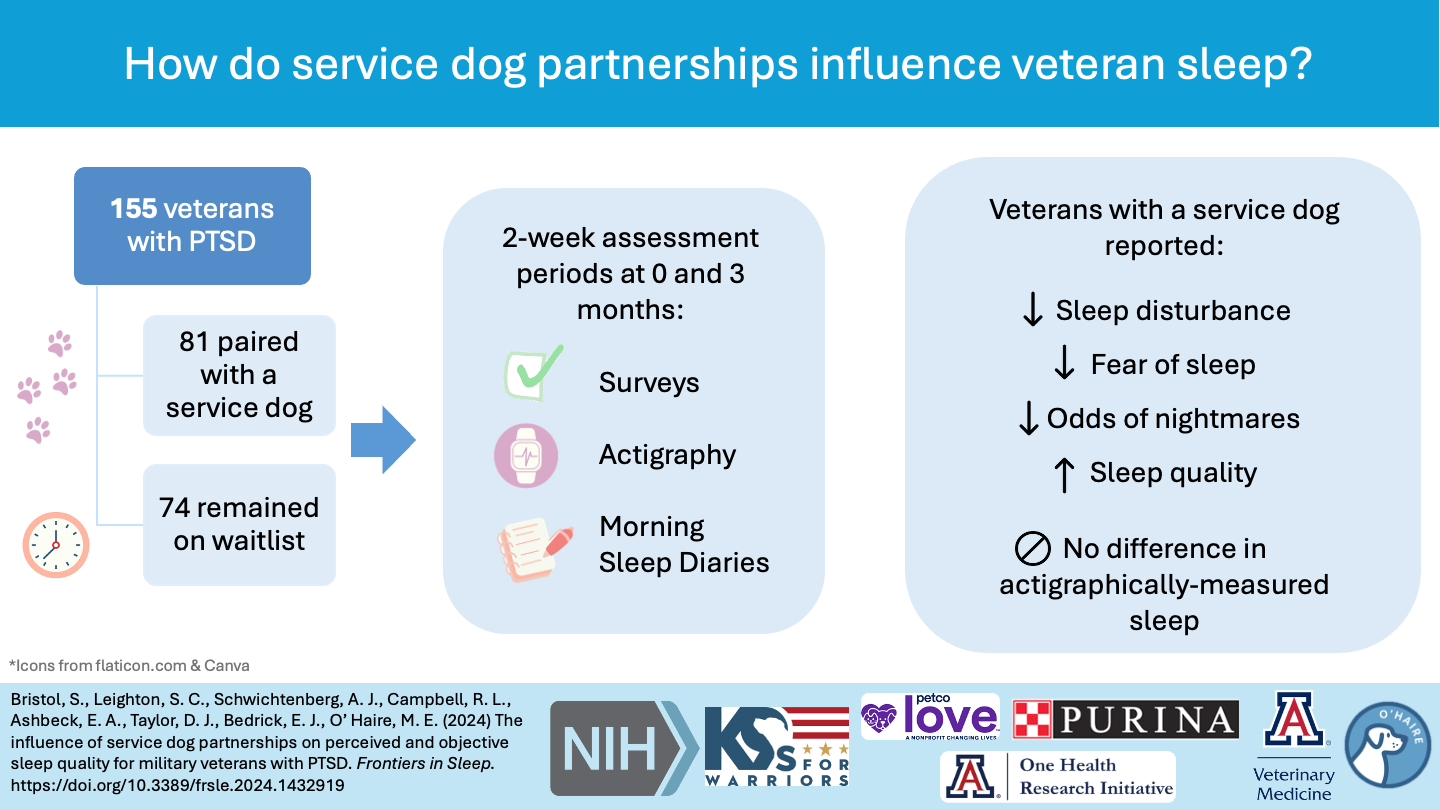
55% lower odds of nightmares; lower fear of sleep partially mediated decreased PTSD symptom severity.
Service dogs for PTSD and veteran sleep — Frontiers in Sleep
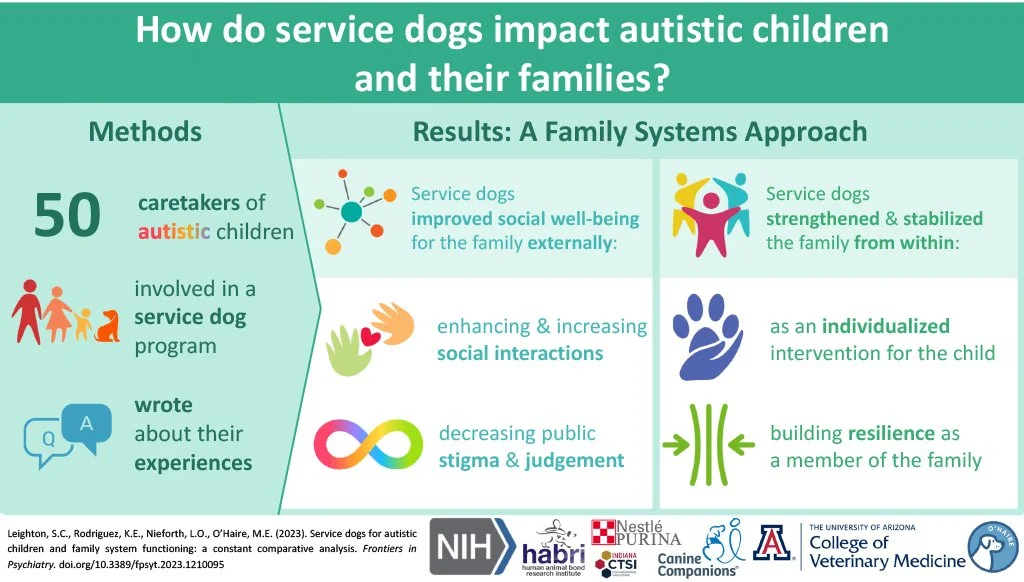
Impact extends to the whole family — reducing stigma and building resilience.
Service dogs for youth with autism — Frontiers in Psychiatry
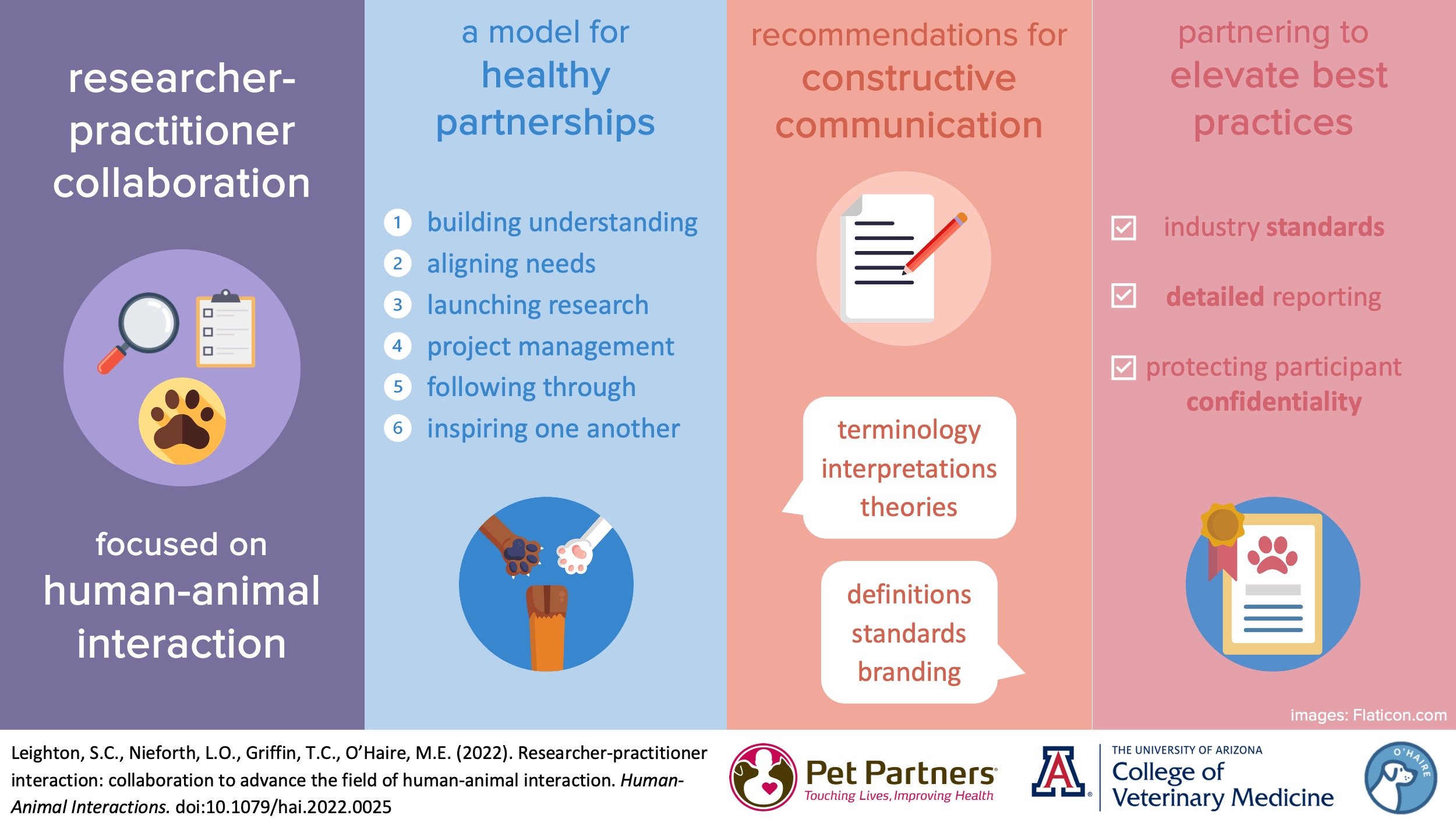
Advancing a model for thoughtful collaboration between researchers and practitioners.
Researcher-practitioner collaboration in human-animal interaction — Human-Animal Interactions
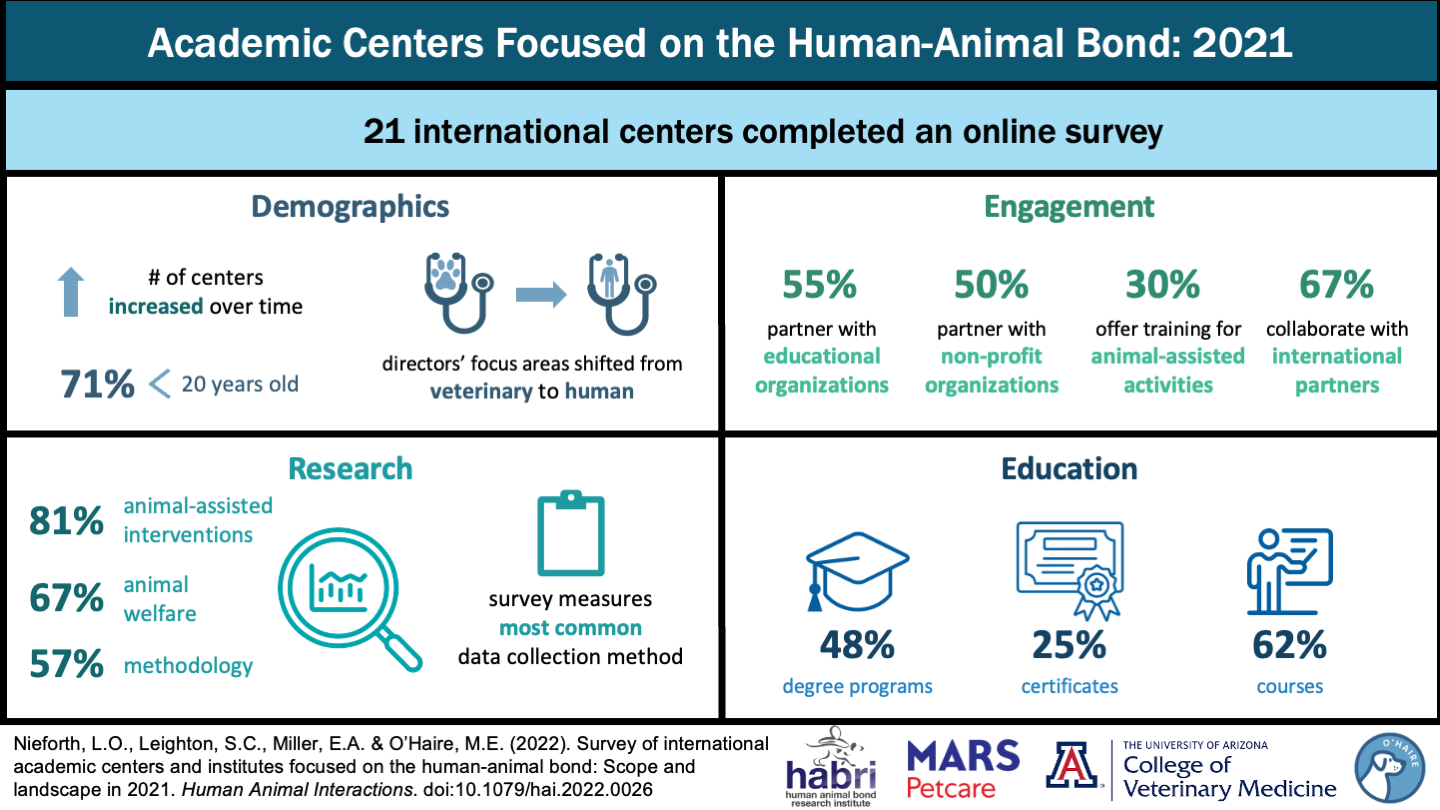
31% increase in academic human-animal bond research centers in five years.
Survey of human-animal bond research centers — Human-Animal Interactions
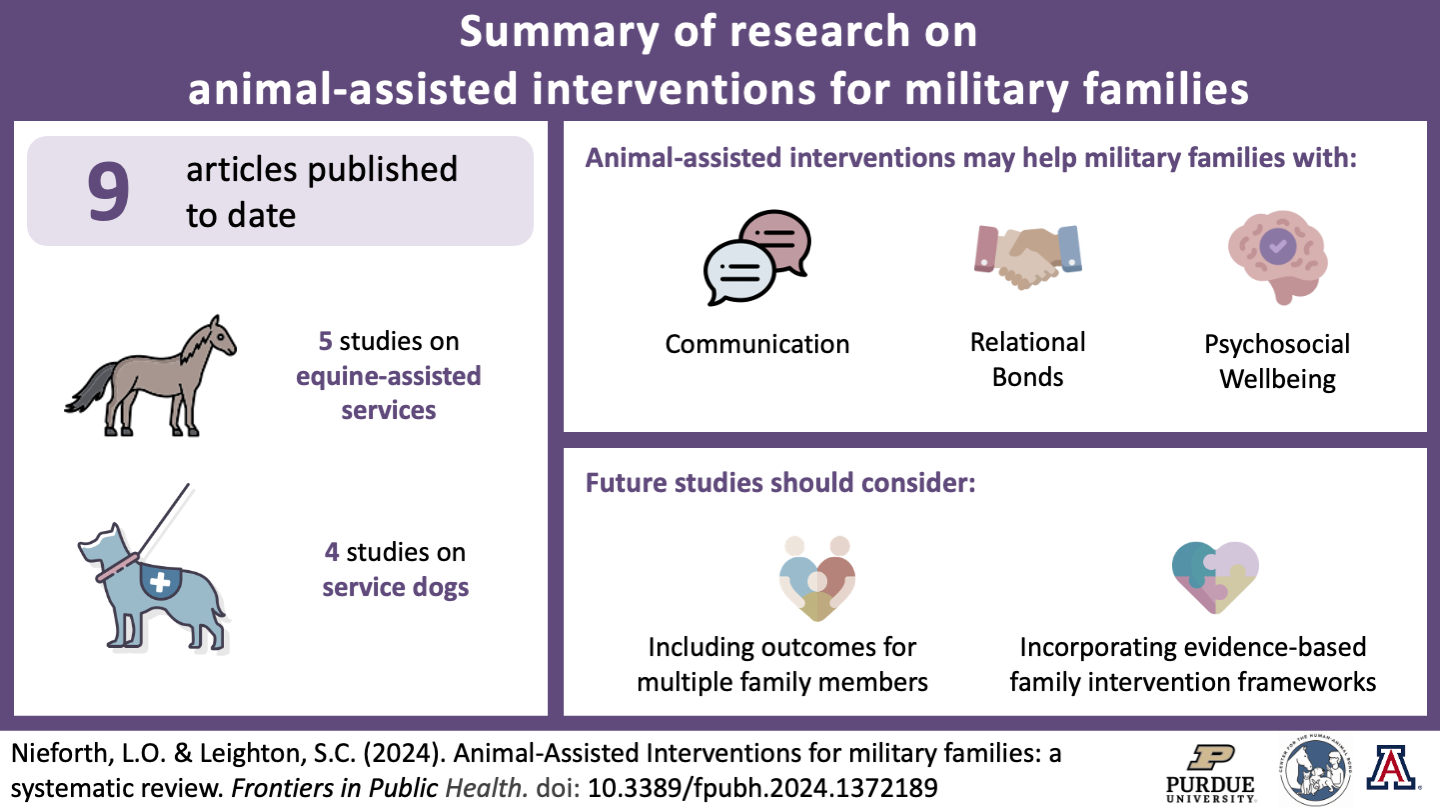
Animal-assisted interventions represent a promising avenue for military families.
Animal-assisted interventions for military families — Frontieres in Public Health